Discuss how a topic is linked to the macroconcepts of change, model, scale and system.
Show an awareness that science is not confined to the laboratory, but is manifested in all aspects of our lives.
Discuss the uses and benefits of Science and technology in society.
Show attitudes such as curiosity, open-mindedness, creativity, objectivity and perseverance in carrying out scientific inquiry.
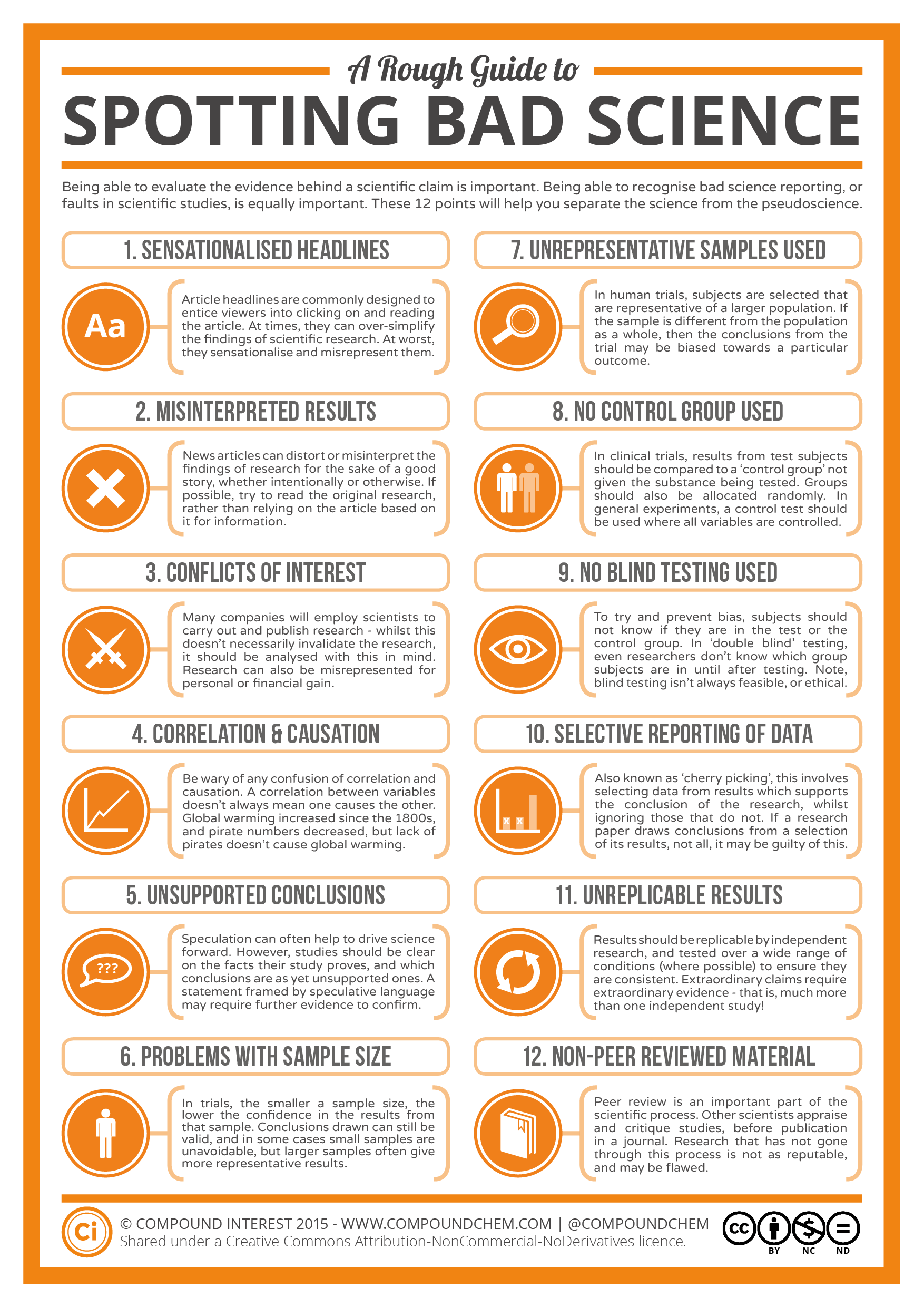
Discuss “bad science”, limitations of science, and nature of science.
Outline the three components/processes of the Scientific Method: Observation, Hypothesis and Experimentation.
Follow and understand laboratory safety rules and procedures, recognising the common symbols of hazardous materials and the necessary precautions in handling them.
State the names of common laboratory apparatuses and their functions and display the principles of representing common laboratory apparatuses in 2D drawings.
Know how to light the Bunsen burner correctly and heat liquids in a test-tube and a beaker.
Know basic skills such as smelling of gas, liquid transfer, disposal of waste and cleaning up the bench after conducting the experiment.
¶ Discuss how a topic is linked to the macroconcepts of change, model, scale and system.
Technology is the application of scientific knowledge for practical purposes
Advancements in technology have improved our lives but it has some disadvantages too
When abused, technology can cause harm to society and the environment
Medicines (antibiotics) help cure diseases but may increase the risk of antibiotic-resistant ‘superbugs’
Food crops can be resistant to attacks by pests and disease-causing organisms but may upset the balance in the ecosystem if the genes are transferred to other wild plants
Automobiles allow for quicker transport of people but give out emissions that result in air pollution
Styrofoam are used to make many useful objects but contributes to global warming during its manufacture, are non-biodegradable and harms and kills animals that accidentally consume it
¶ Show attitudes such as curiosity, open-mindedness, creativity, objectivity and perseverance in carrying out scientific inquiry.
Science can't be used to make moral and aesthetic judgements
It can't help us measure what is of value
It can be used for both good and bad
Science is limited to the the natural and physical world and can't be used to draw conclusions about the supernatural world
Science cannot proof anything with 100% certainty, it makes use of evidences to eliminate wrong hypotheses and thus get us closer to the truth; It is subject to changes when more new data is discovered
To test the hypothesis, we perform an experiment to try to prove its false
Decide on the materials and methods to test the hypothesis
Identify what kind of evidence (variables) to collect in order to test the hypothesis:
Independent variables
Are those factors in an experiment that the scientist deliberately changes so as to observe the consequences of these changes
Dependent variables
Are factors that undergo changes due to changes in the independent variables
Control variables
Are all those factors that the scientist attempts to keep constant
Assign the different treatment groups:
Experimental Group
A group of subjects who are exposed to the independent variable under study
Dependent variable is collected from this group of subjects
Control Group
Group that is not influenced by the independent variable being tested
To increase precision and accuracy
There should be at least 3 replicates for each value of independent variable (sample size is the number of replicates)
The experiment should be repeated at least twice using same observer, measuring procedure, instruments at same location (the number of repeats conducted are known as trials)
When asked how to improve and experiment, do not state errors (e.g. parallax error) but rather state procedural mistakes
Quote the values of the variables and describe the trend of how the independent variable behaves as the dependent variable changes
As independent variable increases (1) from x-value to x-value, (2) dependent variable increases/decreases (3) linearly/at a decreasing rate/at an increasing rate (4) from y-value to y-value
When asked to draw a best fit line, it can be a straight line or a curve
¶ Follow and understand laboratory safety rules and procedures, recognising the common symbols of hazardous materials and the necessary precautions in handling them.
Do not pour back any chemicals back into the stock bottle as they are already exposed to the environment and might contaminate the whole bottle
When a glass apparatus is broken,
Never handle it with your bare hands
Inform the teacher and use a broom and dustpan to remove the broken glass
When there is a chemical spillage,
If any chemical accidentally gets in your mouth, spit it out into a basin immediately and rinse your mouth with plenty of water before reporting it to the teacher
If any chemicals spilled onto other parts of your body or clothing, wash it with plenty of water and report the spill to the teacher
¶ State the names of common laboratory apparatuses and their functions and display the principles of representing common laboratory apparatuses in 2D drawings.