¶ Key Understandings:
- All living organisms are composed of cells, the basic unit of life. Various structures within the cell perform different functions.
- Cells are grouped into higher levels of organisation to allow for specialisation and division of labour.
- Identify cell structures (including organelles) of typical plant and animal cells from diagrams, electron micrographs, and as seen under the light microscope.
- State the characteristics and functions of the components of protoplasm.
- State the characteristics and functions of the organelles found in the cell.
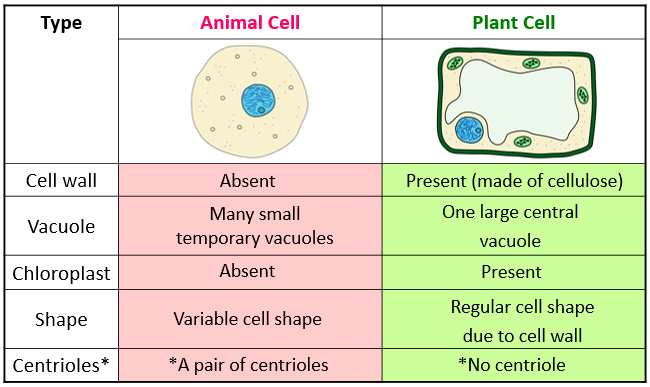
- Compare the structure of typical animal and plant cells.
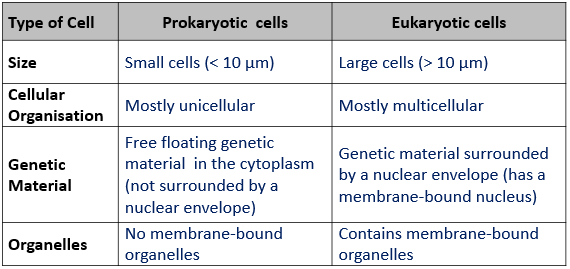
- State the main differences between prokaryotic and eukaryotic cells.
- Explain the significance of division of labour in multicellular organisms.
- Describe the structure of red blood cells, root hair cells, and epithelial cells of the small intestine, and explain how their structures are adapted for their functions.
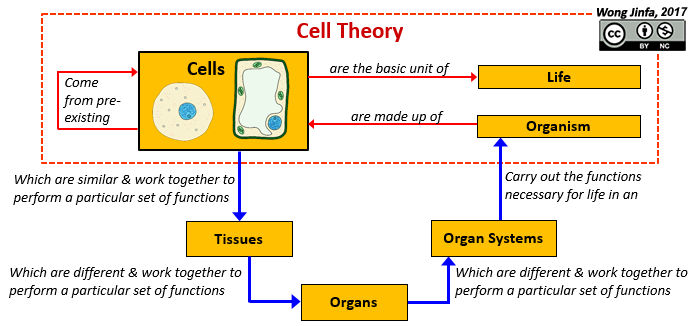
- Recognise that in multicellular organisms, cells are organised into tissues, organs, and organ systems.
¶ Identify cell structures (including organelles) of typical plant and animal cells from diagrams, electron micrographs, and as seen under the light microscope.
¶ Cell Theory (Schleiden, Schwann and Virchow, 1938)
- All living organisms are composed of one or more cells
- The cell is the most basic unit of life
- Cells display the characteristics of life
- Cells are the building blocks of life
- All cells come from pre-existing cells
- Cells are too small to be seen by the naked eye and require microscopes to be seen
- Robert Hooke was the first to observe cells of thin slices of bottle cork under the microscope in 1665
- Cameras can be fitted to the microscope to take pictures called micrographs
- Cells can be viewed from different perspectives:
- Longitudinal Section: Cutting along the long axis of the cell
- Transverse Section: Cutting at right angles to the longitudinal plane
- Light Microscope
- Model found in most schools
- Use compound lenses to magnify objects
- The lenses bend or refract light to make the object beneath them appear closer
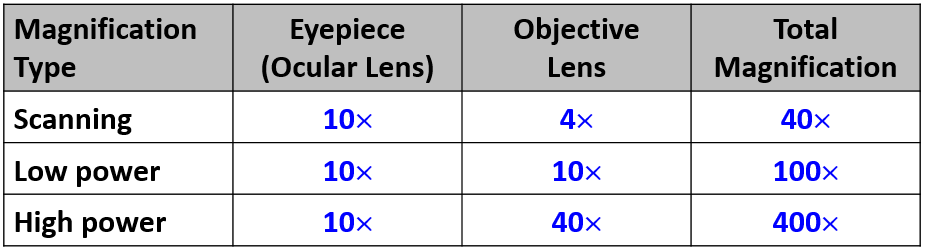
- The total magnification is the the product of the eyepiece magnification and the objective lens magnification
- Stereo Microscope
- This microscope allows for binocular (two eyes) viewing of larger specimens
- Scanning Electron Microscope (SEM)
- Allow scientists to view specimens too small to be seen with a light microscope
- SEMs do not use light waves; they use electrons (negatively charged electrical particles) to magnify objects up to two million times
- Transmission Electron Microscope (TEM)
- Also uses electrons, but instead of scanning the surface (as with SEM's) electrons are passed through very thin specimens
- Rotate the nosepiece of the microscope until the scanning objective lens (4x) clicks into position
- Look through the eyepiece and use the coarse adjustment knob to look for the specimen
- Once you spotted the specimen, switch to the lower power objective lens (10x) and use the coarse adjustment knob to refocus
- Switch to high power lens and use the fine adjustment knob to focus
- If the specimen is too light or too dark, try adjusting the diaphragm
- If you see a line in your viewing field, try twisting the eyepiece and the line should move (That is a pointer to point out features of the specimen)
- Please click on this link to practise focusing specimens using a virtual microscope
- Cut a thin piece of your specimen
- Place it on a microscope slide
- Place one drop of water directly over the specimen and spread the specimen so that no parts fold or overlap
- Add a drop of dye to stain the specimen if required
- Place the cover slip at a 45 degree angle with one edge touching the water drop and gently let it go with a mounting needle
- Blot the sides of the slide dry with a paper towel
- Draw an outline (2D drawing) in pencil
- Use only discrete single lines; do not sketch or shade
- The size of the structures should be proportional
- At least 50% of the drawing space
- Draw label lines with a ruler, without an arrowhead
- Label lines should spread out radially from the drawing with the labels written outside the drawing
- Title should be underlined and include the magnification of the drawing
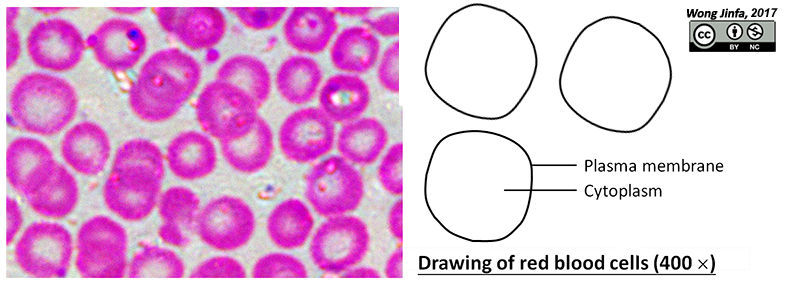
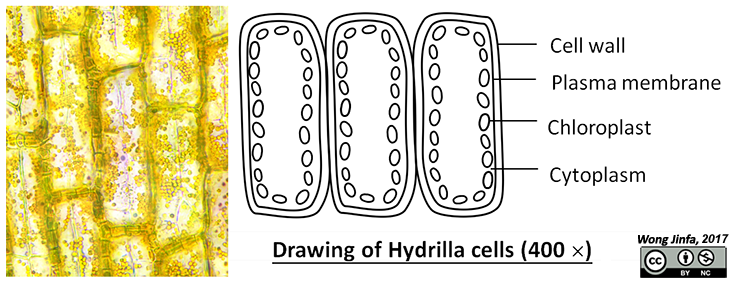
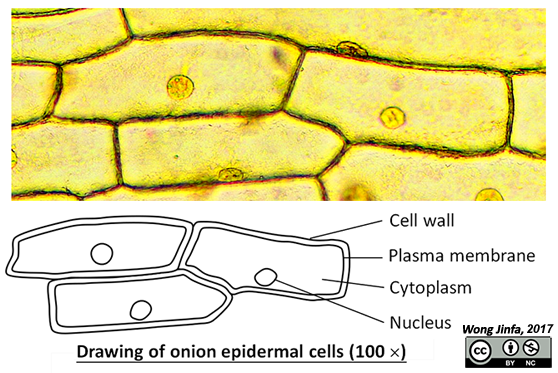
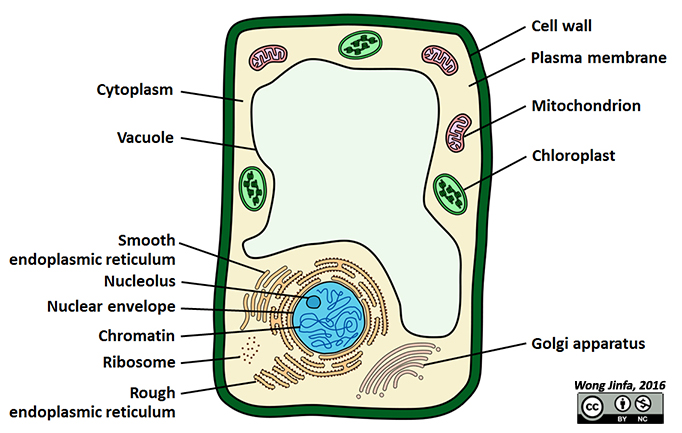
- The cell surface membrane or plasma membrane marks the boundary of a cell
- The fluid component bound by the plasma membrane (which is not a structure) is the cytoplasm
- The intracellular structures that you can observe under the light microscope include the nucleus and vacuole and chloroplasts (in plants)
- In plants, there is an extracellular structure that is found outside the plasma membrane known as the cell wall
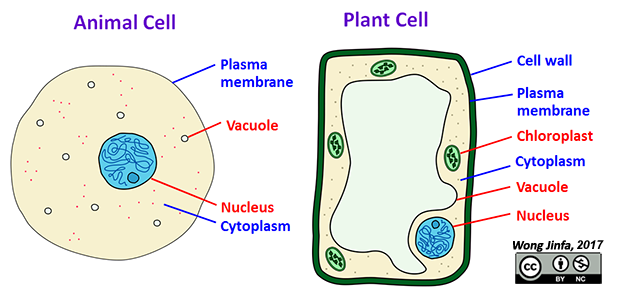
- Animal Cell:
- Plant Cell:
- Click here to see more electron micrographs by H. Jastrow
- Click on this link for a game created by Sheppard Software
¶ State the characteristics and functions of the components of protoplasm.
- The living matter that make up a cell is called protoplasm
- Protoplasm of cell is made up of three parts:
- Cell surface membrane / Plasma membrane
- Cytoplasm
- Nucleus
- The membrane that surrounds the entire cell
- The plasma membrane is made up of a phosopholipid bilayer with different types of proteins embedded in it
- Selectively/partially permeable
- Allows certain substances to pass through but not others (NOT semi-permeable)
- Functions:
- Controls the movement of dissolved substances in and out of the cell
- Separates the cellular contents from the external environment
- A gel-like aqueous fluid that fills the cell
- Contains dissolved molecules (e.g. proteins, sugars) and many specialised structures called organelles
- Cytosol refers to the fluid only (excluding the organelles)
- Function:
- Site for many chemical reactions and cellular activities
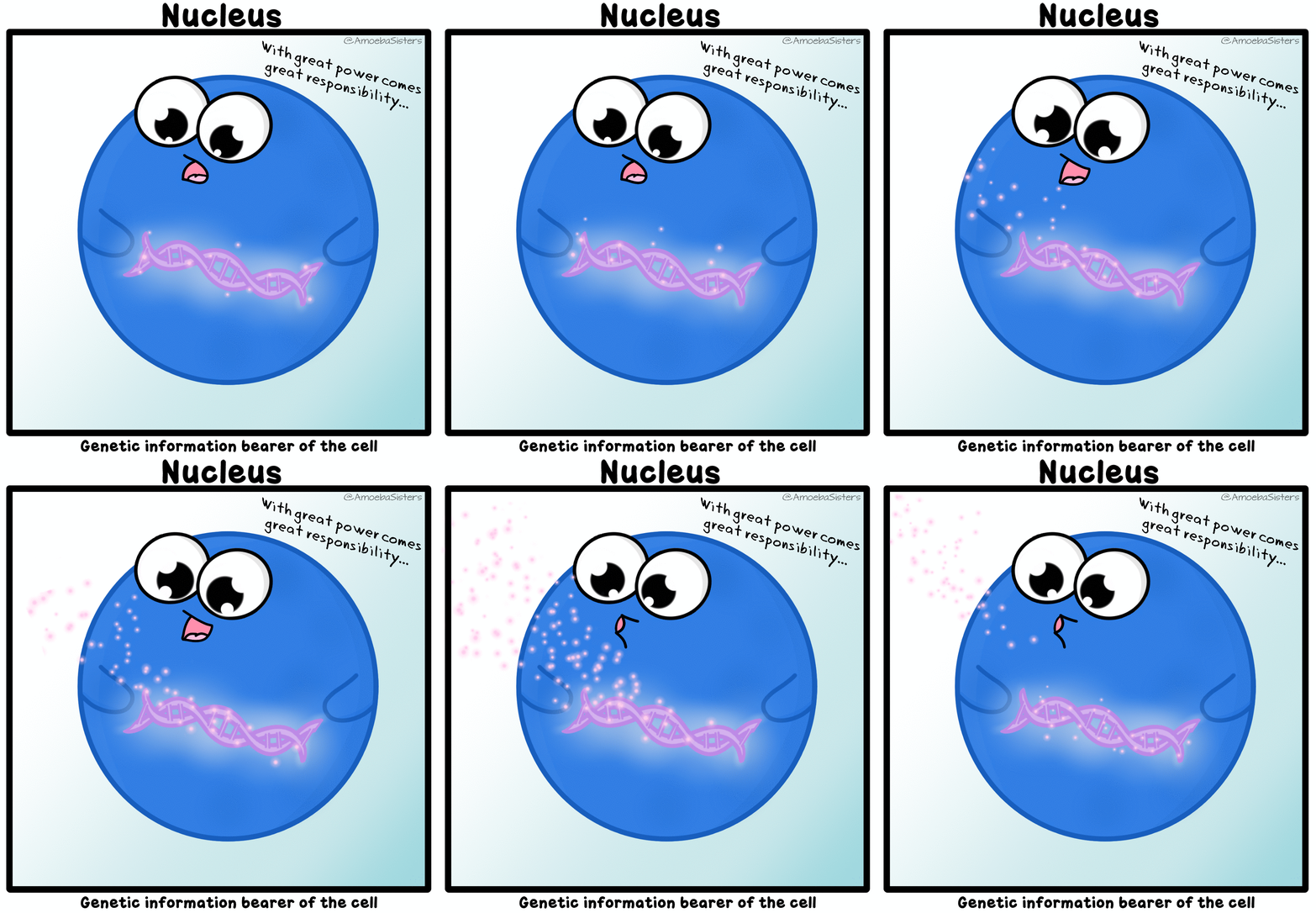
- Largest organelle in most cells
- Nuclear Envelope
- Nucleus is surrounded by a double membrane known as the nuclear envelope
- Outer membrane of the nuclear envelope is continuous with the endoplasmic reticulum
- Is perforated by nuclear pores, which allow exchange of substances between nucleus and the cytoplasm
- Nuceloplasm
- Gel-like matrix within the nucleus
- May contain one or more nucleoli and chromatin
- Nucleolus
- Contains large amount of DNA (deoxyribonulceic acids) & RNA (ribonucleic acids) which makes it stain deeply when a electron micrograph is taken
- Is the site of ribosome synthesis
- During nuclear division: nucleoli disappear as DNA disperse but they reassemble after nuclear division
- Chromatin
- Is made up of strands of deoxyribonucleic acid, DNA,wound around proteins
- Become highly coiled and condensed structures called chromosomes at the start of cell division
- (containing genetic/hereditary information)
- Functions:
- Contains the hereditary genetic materials of a cell in the form of DNA
- Is the control centre of all life processes of the cell (as DNA provides the instructions for protein synthesis)
- Involved in the production of ribosomes and ribonucleic acid
- Is an extracellular layer found in plant cells which is absent in animal cells
- The plant cell wall is made of cellulose (cf. chitin in fungi and peptidoglycan in bacteria)
- The cell wall is fully permeable
- Rigid (but flexible) shape acts as internal support for the plant, giving it a regular shape and protecting the cell from injuries
- Plasmodesmata are tiny channels that cut across plant cell walls, to allow transport and communication between cells
¶ State the characteristics and functions of the organelles found in a cell.
- Found within the cytoplasm
- A specialised subunit within the cell with a specific function
- Usually membrane bound
- Most require an electron microscope to be seen
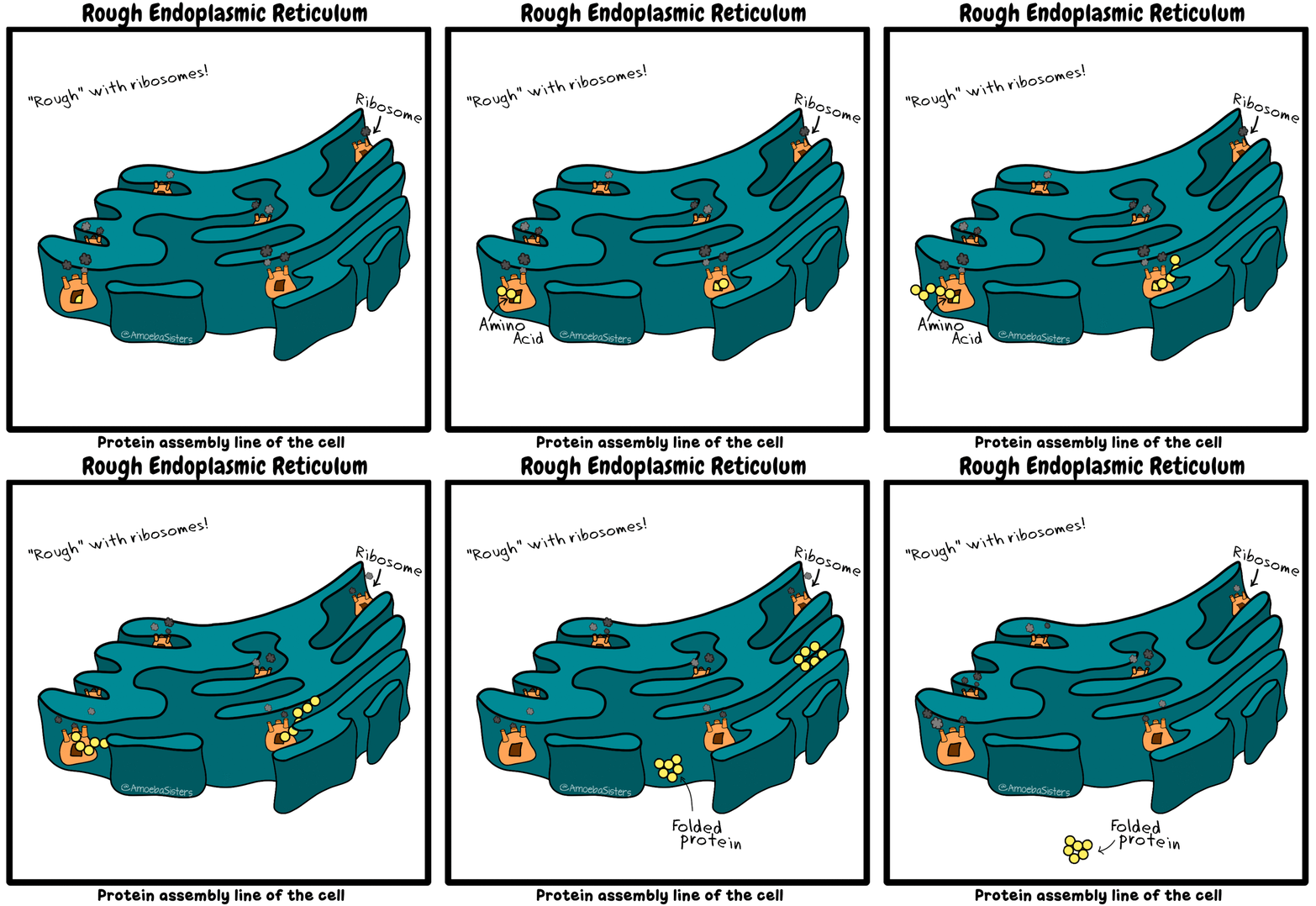
- Network of membrane-bound sacs continuous with nuclear envelope
- Rough Endoplasmic Reticulum
- Consist of flattened membrane-bound sacs called cisternae
- RER appears rough because small particles called ribosomes are attached to its outer surface
- Functions:
- Transport proteins made by ribosomes to the Golgi apparatus
- Modifies and folds proteins made by ribosomes into functional shapes
- Smooth Endoplasmic Reticulum
- Lacks ribosomes and has tubular sacs instead
- Functions:
- Synthesises substances such as fats (lipids) and steroids
- Converts harmful substances into harmless materials (detoxification)
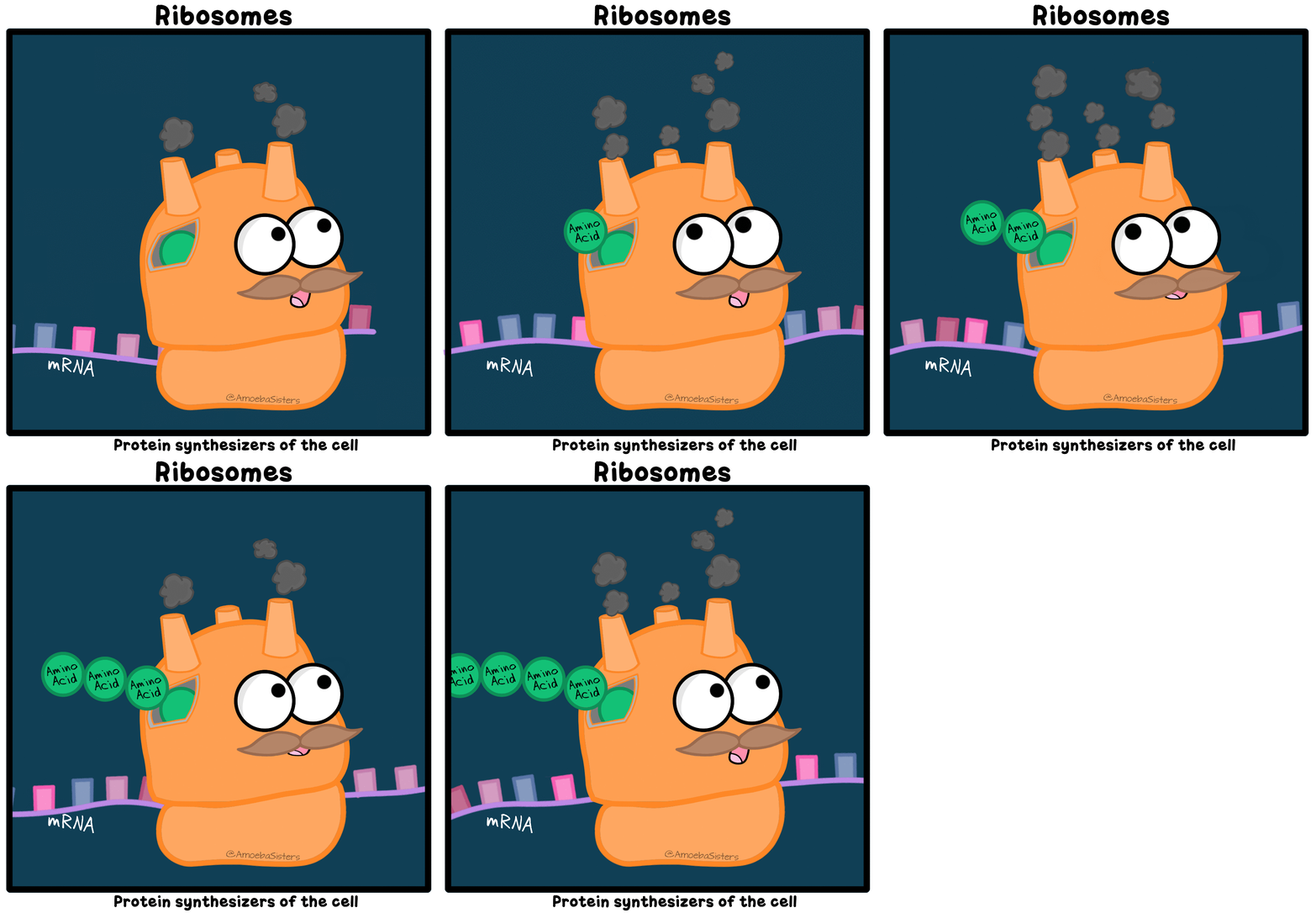
- Made of proteins and rRNA (ribosomal ribonucleic acids)
- May be attached to RER or lie freely in cytoplasm
- Function;
- Sites of protein synthesis
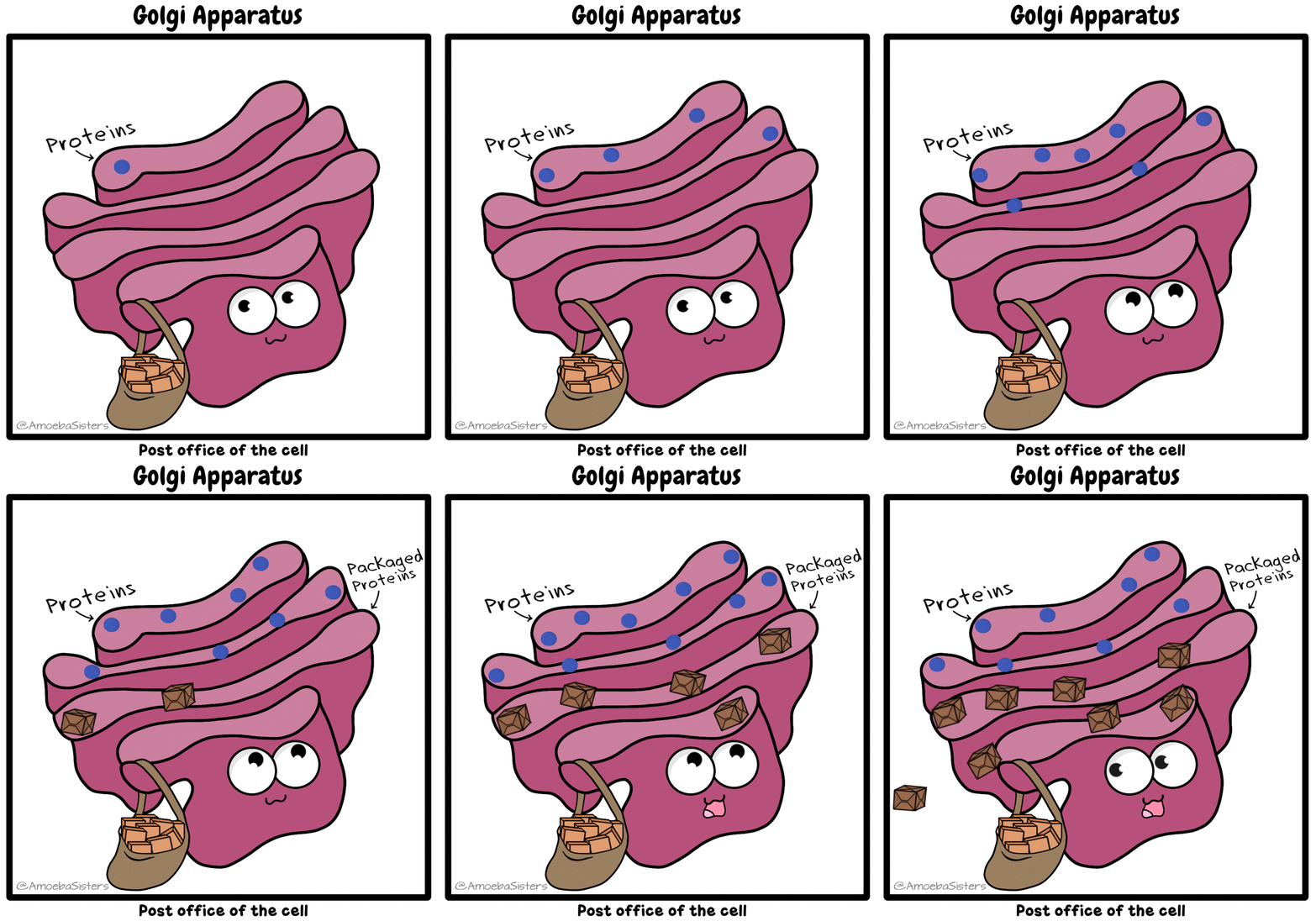
- Stacks of flattened / disc-shaped membrane-bound sacs
- Vesicles are seen fusing on one side of the Golgi membrane and pinching off from the opposite side
- Function:
- Modifies, stores and packages proteins in vesicles for secretion outside cell
- Secretory Pathway:
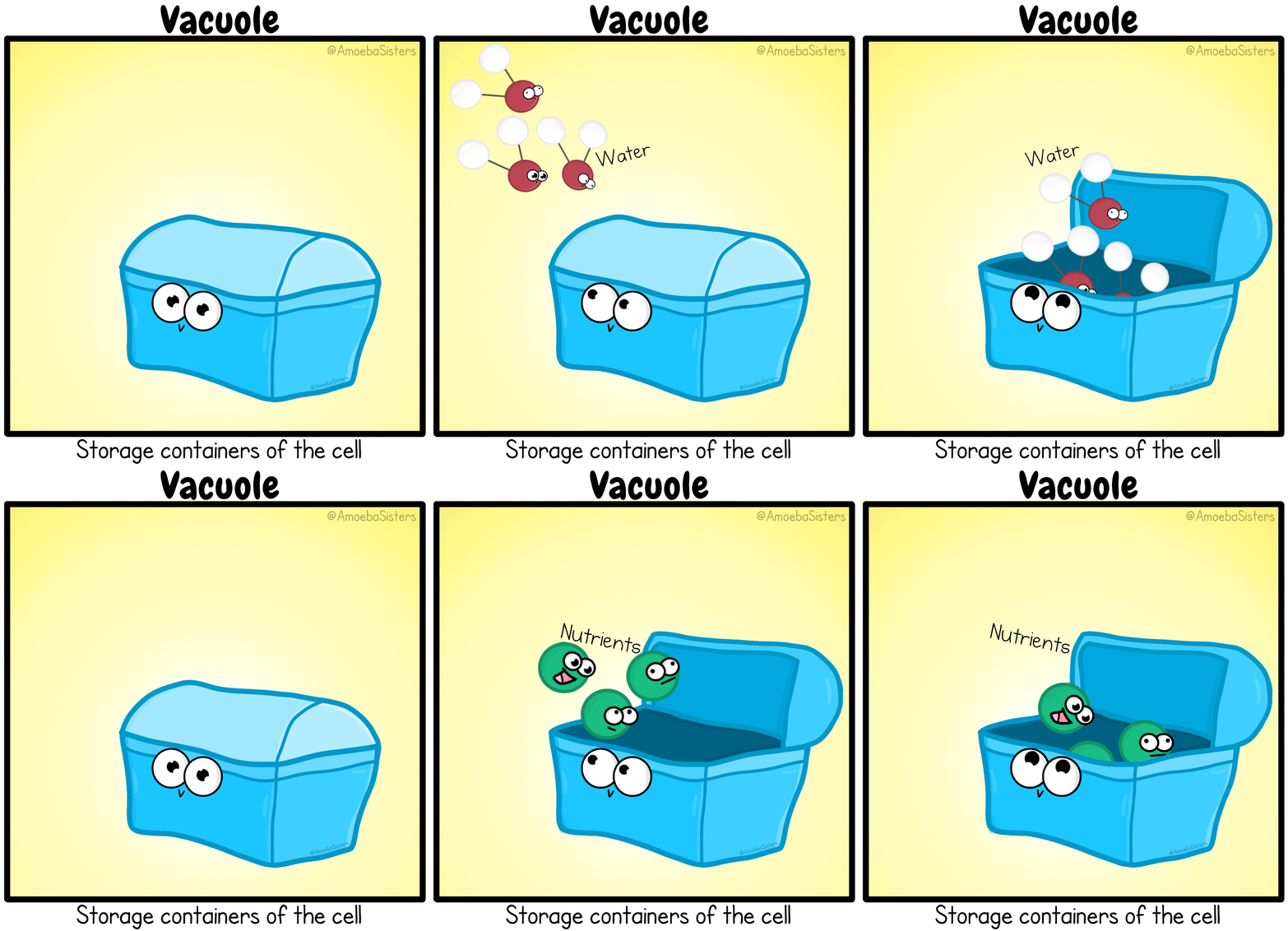
- Large vesicle which is filled with water that contains other dissolved substances
- The term vacuole, which means “empty,” refers to the fact that these organelles have no internal structure
- Animal Cells
- Have many small vacuoles for compartmentalisation
- Contain organic molecules or waste products for storage, transport, uptake or disposal
- Plant Cells
- One large central vacuole
- Contains cell sap: mostly water and dissolved salts, sugars, amino acids
- For storage or isolating harmful materials
- Give plant cells its structure by maintaining turgor pressure against cell wall
- May contain enzymes that are used for digestion
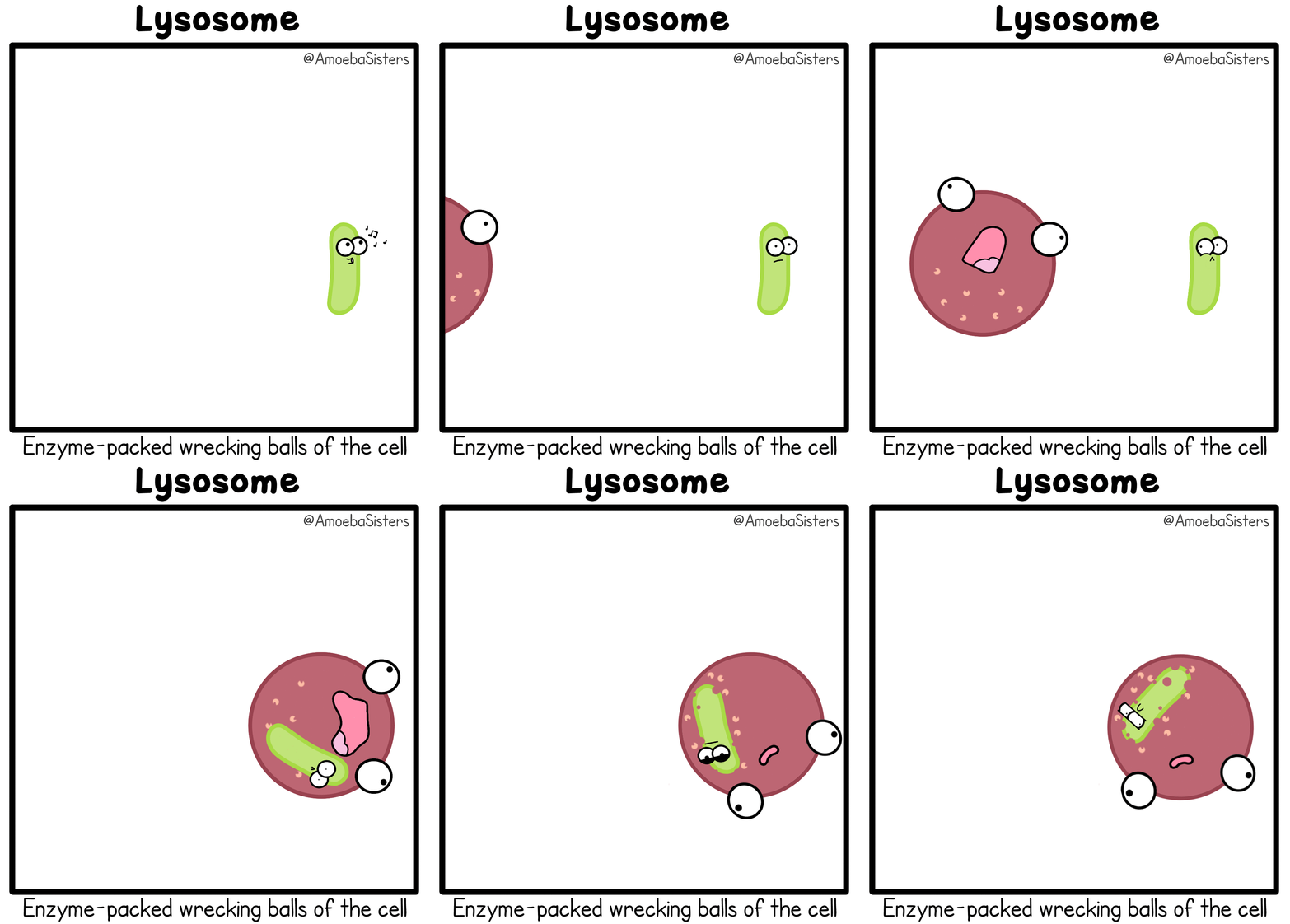
- In animal cells, they are small spherical vesicles
- In plant cells, large central vacuole may act as lysosomes
- Enzymes in the lysosomes are synthesized on RER & transported to golgi body where they form when they bud off
- Function:
- Contains digestive enzymes which breaks down proteins, nucleic acids & lipids
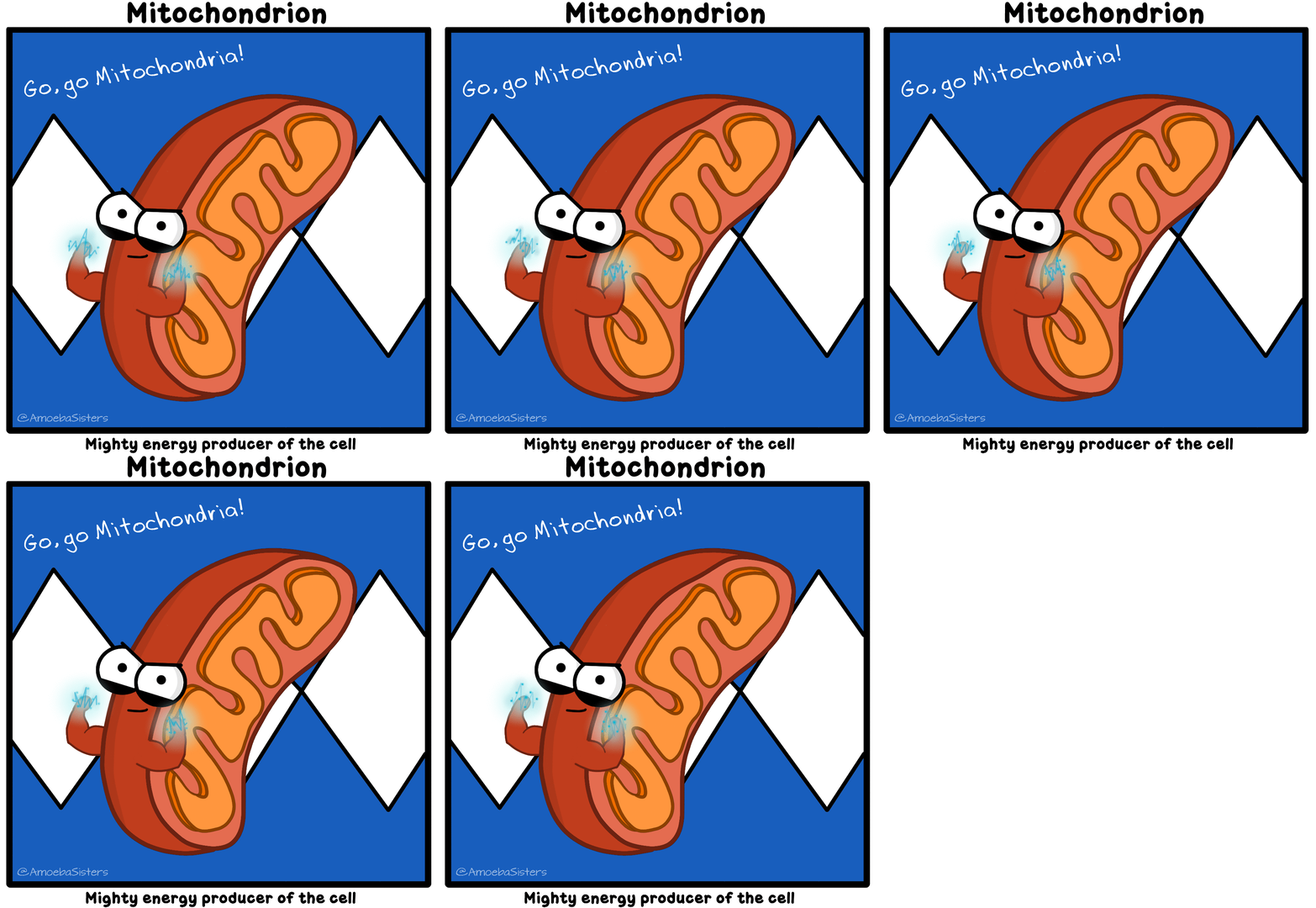
- Plural: Mitochondria
- Rod shaped organelle with a double membrane
- Highly in-folded inner membrane known as cristae increases surface area for ATP production
- Has its own DNA
- Function:
- Carries out cellular respiration, whereby glucose is broken down to release energy
- Energy is stored in the form of ATP (Adenosine Triphosphate), which is then transported to other parts of the cell that requires energy
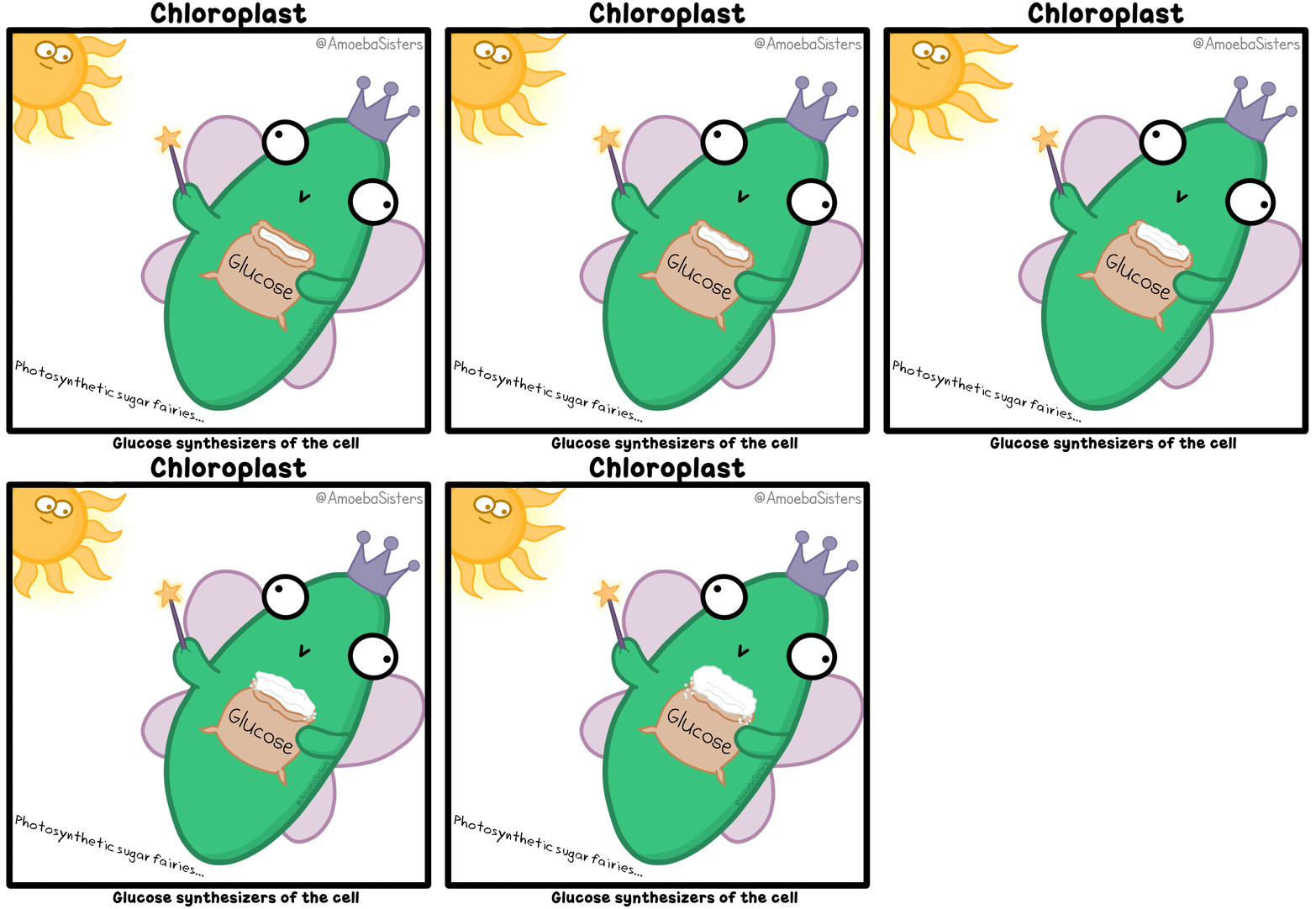
- Disc-liked sac, visible with a light microscope
- Surrounded by two membranes which form the chloroplast envelope
- Inner membrane is continuous with stacks of flattened disc-sacs called thylakoids
- Has its own DNA
- Not all plant cells have chloroplasts
- Function:
- Carries out photosynthesis in plants by capturing light energy and storing them in glucose
- Click here for an animation on the theory
- Made up of microtubules, microfilaments and intermediate filaments
- Functions:
- Supports the cell and helps reinforce its shape
- Acts as tracks that guide motor proteins carrying organelles to their destination
- Found in animal cells, near nucleus, in a distinctly staining region of cytoplasm known as centrosomes
- Occur as a pair at right angles to each other
- One centriole consist of 9 triplets of microtubules in a single ring
- Organise spindle fibres which pulls chromosomes apart during cell division
- Give rise to basal bodies which anchor cilia & flagella
¶ Compare the structure of typical animal and plant cells.
¶ State the main differences between prokaryotic and eukaryotic cells.
- Unicellular organisms contain all functions in a single cell to sustain life
- Multi-cellular organisms need to specialise so that they are able to perform the functions needed to sustain life more efficiently and effectively
- Multicellular organisms are made up of many different types of cells which perform different specific functions
- Differentiation is the process by which a cell becomes specialised for a specific function
- Benefits of cell specialisation
- Allows cells to perform their specific functions efficiently and more effectively
- Cells with different functions can combine to create more complex structures (tissues, organs) with new features or properties
- Allows many functions to be performed simultaneously
¶ Describe the structure of red blood cells, root hair cells, and epithelial cells of the small intestine, and explain how their structures are adapted for their functions
- Transports oxygen from lungs to all parts of the body
- Biconcave shape (thinner central portion)
- Optimises the flow of blood in blood vessels
- Increases surface area to volume ratio for more efficient gaseous exchange into and out of the cell
- Lack nucleus and most organelles
- More haemoglobin (iron-containing biomolecule that binds to oxygen) can be packed into the cytoplasm of the cell, enabling it to carry more oxygen
- Flexible and deformable membrane
- Allows it to squeeze through tiny capillaries.
- Are modified epidermal cells that aid in absorption of water at the roots
- Elongated shape
- Increases surface area to volume ratio for absorption of water and dissolved mineral salts at a faster rate
- Concentrated cell sap
- Gives cell a lower water potential than soil solution, and thus increase water uptake by osmosis
- Many mitochondria
- Releases energy for active transport of mineral salts
- The wall of the small intestines contains finger-like projections called villi
- Each villus is lined with a single layer of epithelial cells
- The epithelial cells of the small intestines have a highly infolded cell surface membrane on one side, which form protrusions called microvilli
- Microvilli
- Increases surface area to volume ratio for higher rate of absorption of digested food substances
- Many mitochondria
- Releases energy for active transport of digested food substance
¶ Recognise that in multicellular organisms, cells are organised into tissues, organs, and organ systems.
- A group of similar cells which work together to perform a particular set of function(s) are known as tissues
- Simple tissues are made up of only one type of cells
- Complex tissues are made up of several types of cells
- Different tissues working together to carry out a particular set of functions make up an organ
- Different organs working together to carry out a particular set of functions make up an organ system
- Protoplasm of cell is made up of three parts:
- Cell surface membrane
- Cytoplasm
- Nucleus